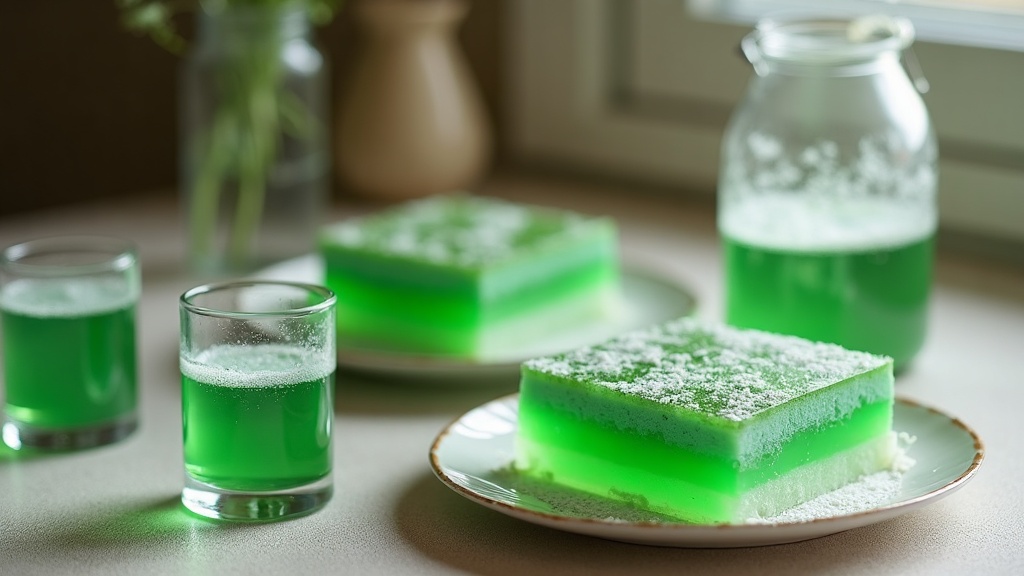
Before the coffee, before the rush out the door — this short educational video looks at how kitchen staples like baking soda e gelatin quietly fit into daily routines many women have followed for generations.
Long before any of this makes it into a wellness article, it usually shows up in ordinary moments — getting dressed, finishing a meal, waking up stiff. Here are four shifts that tend to come up in daily routines.
Skin and joint elasticity depend partly on collagen, and levels naturally decline as part of ordinary aging rather than any single event.
The sense of fullness after a meal isn't constant — it can shift day to day depending on rest, stress, and routine.
Body composition tends to shift slowly over years, which is why the same habits don't always feel like they produce the same effect.
Many older meal frameworks focus narrowly on calories and leave out simple kitchen staples, like collagen-rich foods, that home cooks once relied on.
Metabolism is one of the most discussed — and most misunderstood — topics in women’s wellness. Here’s a sober look at three common claims.
Metabolism completely stops after a certain age.
Metabolic rate shifts gradually over time and is shaped by many daily habits, not a single switch that flips.
Only intense exercise can change body composition.
Body composition reflects a combination of rest, nutrition, and small consistent habits repeated over time.
Hunger cues are mostly about willpower.
Satiety signals are physiological processes that can be supported through everyday food choices and routine.
Rather than a strict program, the video walks through a routine built around three ordinary parts of the day.
Starting the day with a consistent hydration routine before anything else is a habit many traditional morning rituals share.
Slowing down at lunch and paying attention to fullness cues is a small shift that fits into most existing schedules.
A steady evening pattern, including consistent sleep timing, is often mentioned alongside general wellness habits.
Long before wellness trends existed, many home kitchens relied on gelatin-rich broths and simple pantry staples like baking soda as part of everyday cooking and digestion comfort. These weren’t specialty products — they were basic ingredients passed down through family recipes across generations and cultures.
The video explores how gelatin and baking soda appeared together in traditional kitchens long before either was framed as a ‘wellness ingredient,’ and why that historical pairing is worth a second look.
Feeling hungry sooner after meals than usual, or noticing appetite that varies more than it used to.
A change in skin's texture or elasticity that seems unrelated to weather or products.
Mild stiffness in the morning or after sitting for a while that eases once moving around.
Normal day-to-day or week-to-week changes on the scale without an obvious explanation.
A noticeable slump in energy in the mid-to-late afternoon, even with adequate sleep.
Nails that chip or break more easily than they used to, often noticed during routine tasks.
Testimonials reflect individual opinions and experiences. Individual results may vary, and these statements are not a guarantee of any specific outcome.
Hydrolyzed gelatin is gelatin that has been broken down into smaller components, often used in cooking and traditional recipes. This content is educational and does not describe a specific product.
No. The video discusses general wellness concepts and traditional kitchen habits, not a structured diet or weight-loss program.
No. The content is educational and does not diagnose, treat, cure, or prevent any condition.
It’s intended for women generally interested in wellness habits and traditional kitchen practices, with no specific age range.
Baking soda is discussed as a traditional kitchen staple with historical culinary uses, presented for educational context only.
Yes, this page contains sponsored content and affiliate links, as disclosed in the footer.
Yes. Always consult a qualified healthcare professional before making changes related to diet, supplements, or wellness routines.
Watch the full educational video to see how traditional habits, collagen-rich ingredients, and simple daily practices are discussed in more detail.
Advertising Disclosure: This page contains sponsored content and affiliate links. We may receive compensation if you click a link or make a purchase through the links provided on this page. This does not affect the price you pay.
Content Disclaimer: The content on this page is for educational and informational purposes only. It has not been evaluated by the FDA and is not intended to diagnose, treat, cure, or prevent any disease or medical condition. Always consult a qualified healthcare professional before making changes to your diet, supplement routine, or lifestyle.
Results Disclaimer: Individual results may vary. Any testimonials or examples shared on this page reflect personal experiences and are not a guarantee of any specific outcome for you or any other individual.
© 2026 · All Rights Reserved · /contact/